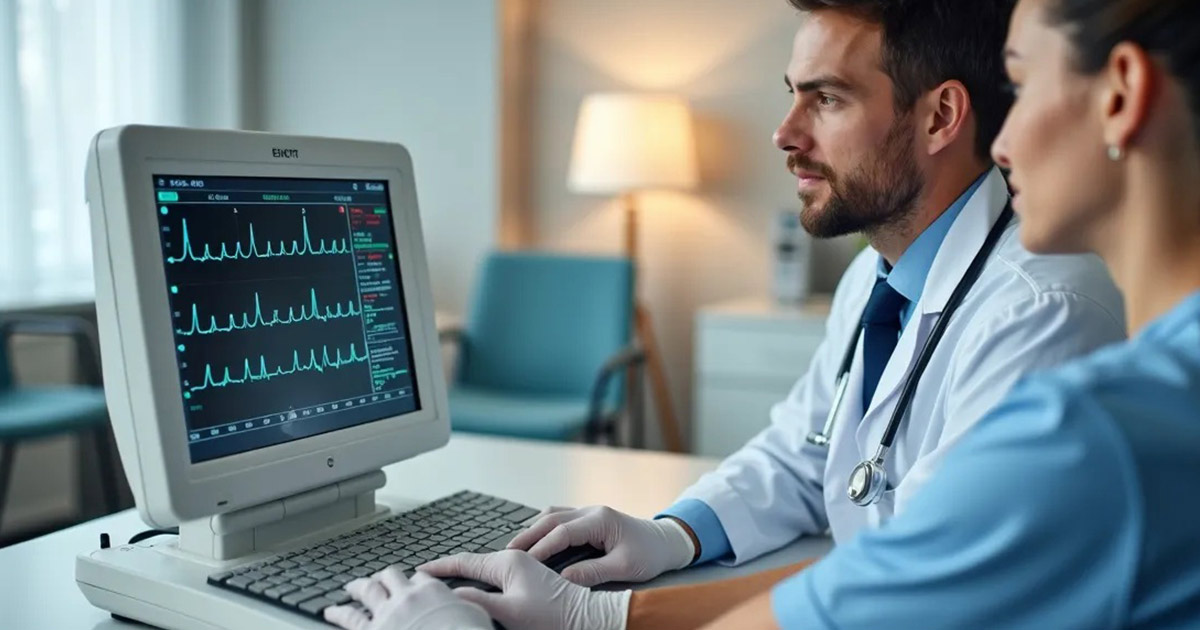
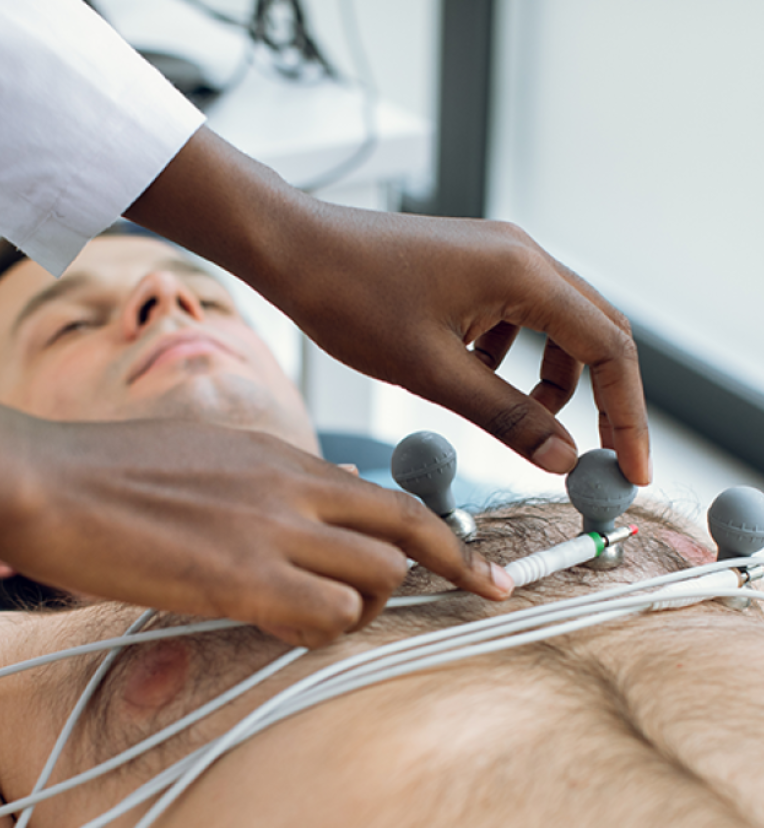
ECG Technician
Students receive comprehensive training through classroom sessions, skill labs, and hands-on clinical experience in Intensive Care Units—building confidence to assist in life-saving situations.
Why Choose a Career as an ICU Technician?
- Rising demand for trained critical care professionals
- Opportunity to play a vital role in emergency and life-support care
- Fast-growing career path within hospitals and trauma units
- Highly respected role with long-term career stability
- Exposure to advanced medical technologies and procedures
What You Will Learn
✅ Basics of Anatomy, Physiology & Critical Care
✅ ICU Equipment Operation (Ventilators, Monitors, Infusion Pumps, etc.)
✅ Patient Monitoring & Vital Signs Assessment
✅ Emergency Response & Code Blue Protocols
✅ Oxygen Therapy & Airway Management Support
✅ Infection Control & Sterile Practices
✅ Medication Support & Documentation
✅ Communication & Team Coordination in Critical Care
Course Highlights
- Expert faculty with critical care experience
- Advanced skill labs and simulation-based learning
- Clinical postings in ICU, NICU, PICU, and emergency units
- Focus on real-time patient care and equipment handling
- Personality, ethics, and communication training for healthcare settings
Career Opportunities
After completing this course, students can work as:
👨⚕️ ICU/Critical Care Technician
🚑 Emergency & Trauma Care Technician
🫁 Ventilator Technician
🏥 Patient Monitoring Assistant
👶 NICU/PICU Support Technician
Employment opportunities exist in:
- Government & private hospitals
- Emergency departments
- Trauma & critical care units
- Multispecialty and super-specialty hospitals
- Air & ambulance critical care services
Eligibility
(Modify as needed)
- 10+2 (Science preferred)
- Minimum age and criteria as per institutional norms
Duration
(Customizable based on your institution)
- Typically 1–2 years with clinical internship
Who Should Enroll?
- Students passionate about emergency and critical care
- Individuals seeking a dynamic, hands-on medical role
- Those aiming for a stable and impactful healthcare career
Future Scope
Graduates can progress toward:
Senior ICU roles, supervision, and specialization
Advanced certifications in critical care
Higher studies in paramedical or nursing fields